
The Carbon
Rendering Core.
BaseCraft’s proprietary engine architecture, built from the metal up to solve the fidelity-latency paradox on mobile and high-end desktop hardware alike.
60FPS
Target Floor
Stable performance maintained even on 4-year-old mid-range mobile hardware using our dynamic rasterization pipeline.
0.12ms
Input Latency
Fixed-timestep physics thread decoupling ensures responsiveness is never tied to render frame variation.
Built for
Scale, Not
Just Specs.
// FIELD_NOTES: PERFORMANCE_QA_ENGINEER
"We didn't build a 'generic solution.' Carbon was designed to solve the specific bottlenecks of modern mobile GPUs—specifically memory bandwidth and draw-call overhead."
The BaseCraft Carbon engine uses a hybrid rasterization pipeline that switches between forward and deferred rendering based on scene complexity. This allows us to keep draw calls exceptionally low even when the screen is filled with hundreds of dynamic light sources and translucent particle effects. Unlike off-the-shelf engines, our proprietary occlusion culling system pre-calculates visibility data at design time while updating dynamically when environments change, ensuring zero wasted pixels on hidden surfaces.
Mobile memory management is often the silent killer of gaming experiences. Carbon employs a frame-based arena allocation system that resets cleanly between levels, virtually eliminating heap fragmentation and reducing garbage collection pauses to near-zero. This isn't just about speed; it's about the reliability of the player's experience over extended play sessions.


// Methodology Note
Carbon's approach is evaluated through a strict "Stress-to-Fail" robustness metric. We prioritize stability in worst-case scenarios (e.g., thermal throttling on mid-range devices) over peak numbers on high-end simulators. This sacrifice in absolute ceiling ensures a consistent floor, making our games accessible to the widest possible hardware distribution without gameplay degradation.
Asset Streaming &
Spatial Audio.
Asset streaming is the backbone of our open-world capabilities. BaseCraft Carbon prioritizes texture mips and geometry Levels of Detail (LOD) based on the player's gaze direction—utilizing primitive foveated rendering techniques that work even on standard, non-VR displays to save GPU cycles.
Convolution Reverb
Pre-baked impulse responses for realistic spatial sound without real-time CPU spikes.
Predictive Rollback
Syncing localized high-latency inputs across multi-continental server clusters.
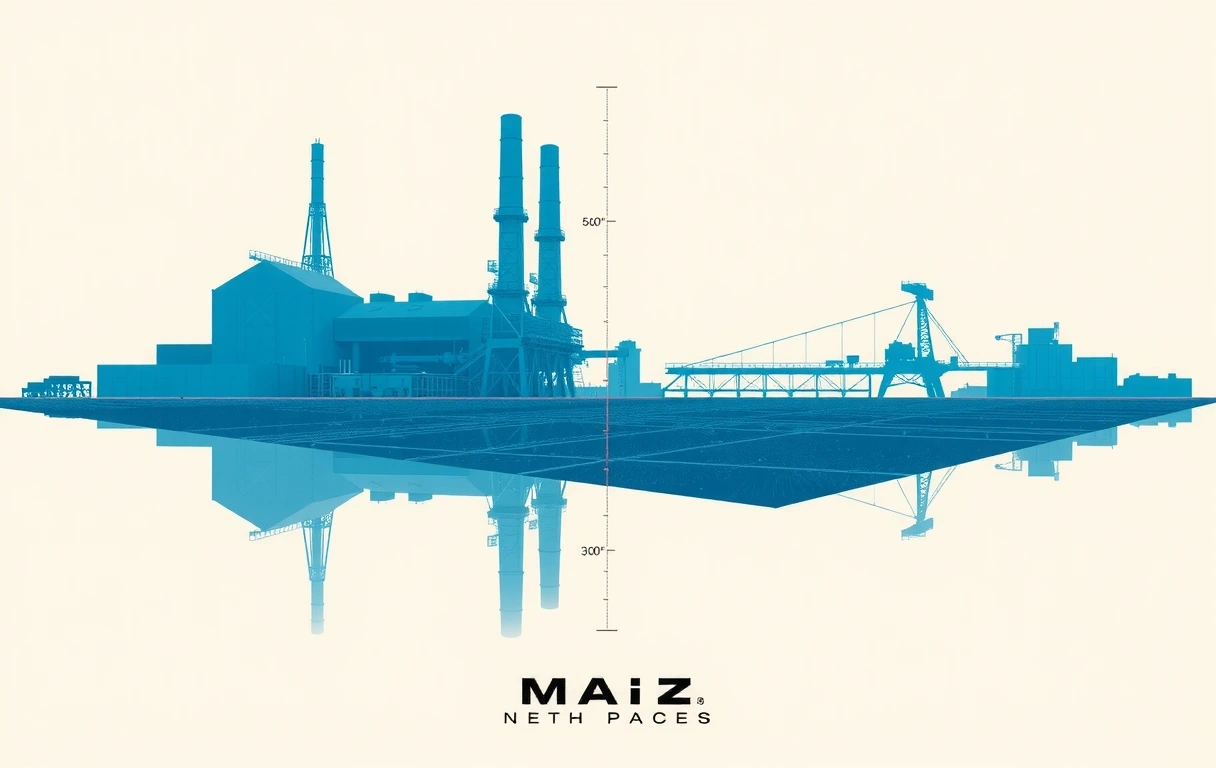
Visualizing Streaming Zones // Active LOD Bias: 1.45x
Thermal Throttling on Ultra-Mobile.
During development of our last strategic title, we faced performance drops on 4-year-old devices after 20 minutes of play. While standard engines would suggest lower texture resolutions, we implemented a Dynamic Shader LOD.
By stripping non-essential material passes (e.g., secondary specular highlights) as battery heat increased, we maintained constant framerates without the player noticing the visual shift in the heat of gameplay.
Result: 100% Thermal Stability
Performance
Pitfalls & Solutions.
The Pitfall: Generic Physics
Relying on out-of-the-box physics sync often leads to frame-time jitter during complex collision events, especially on multi-threaded CPUs found in mobile SOCs.
BaseCraft Fix: Fixed Timestep Separation
The Pitfall: Over-Rendering
Processing 4K assets on small screens consumes massive bandwidth. Most engines over-calculate pixels that aren't visible or necessary for the small form factor.
BaseCraft Fix: Foveated Rasterization
The Pitfall: GC Spikes
Modern C# or Java engines often encounter "micro-stutter" during Garbage Collection. This breaks immersion instantly in high-speed action environments.
BaseCraft Fix: Arena Allocation Shell
The Pitfall: Shader Bloat
Compiling universal shaders at runtime causes initial hitching. Pre-compiling every combination creates massive installation sizes (30GB+).
BaseCraft Fix: Static Material Pruning
The Decision Lens:
Is Carbon Right for You?
// CORE OPTIMIZATION
-
→
Low-end mobile hardware compatibility (iOS/Android 2021+)
-
→
Sub-ms input handling for competitive esports
-
→
High-fidelity PBR materials on reduced compute budgets
// STRATEGIC SACRIFICES
-
✕
Not intended for legacy hardware (Pre-Vulkan/Metal)
-
✕
Limited built-in support for massive voxel-based terrains
-
✕
No visual scripting; code-first engineering philosophy
// IDEAL USE-CASE
High-performance mobile titles requiring 60FPS precision, intense particle simulation, and rapid asset streaming without the bloat of general-purpose middleware.
Technical Index
Rendering Backends
Full support for Metal 3.0, Vulkan 1.3, and DirectX 12. Platforms share logic; shaders are optimized per-API.
View Platform MatrixNetwork Sync
UDP-based prediction and rollback systems with built-in 'ghost' debug visualizer for packet loss analysis.
Analysis ToolsAnimation Adaption
Procedural Inverse Kinematics (IK) layered over mocap data for terrain-adaptive character movement.
MoCap WorkflowHot-Reload System
Real-time shader parameter tweaking without re-compilation. Cut design iteration from minutes to seconds.
Iteration Docs